
Your home
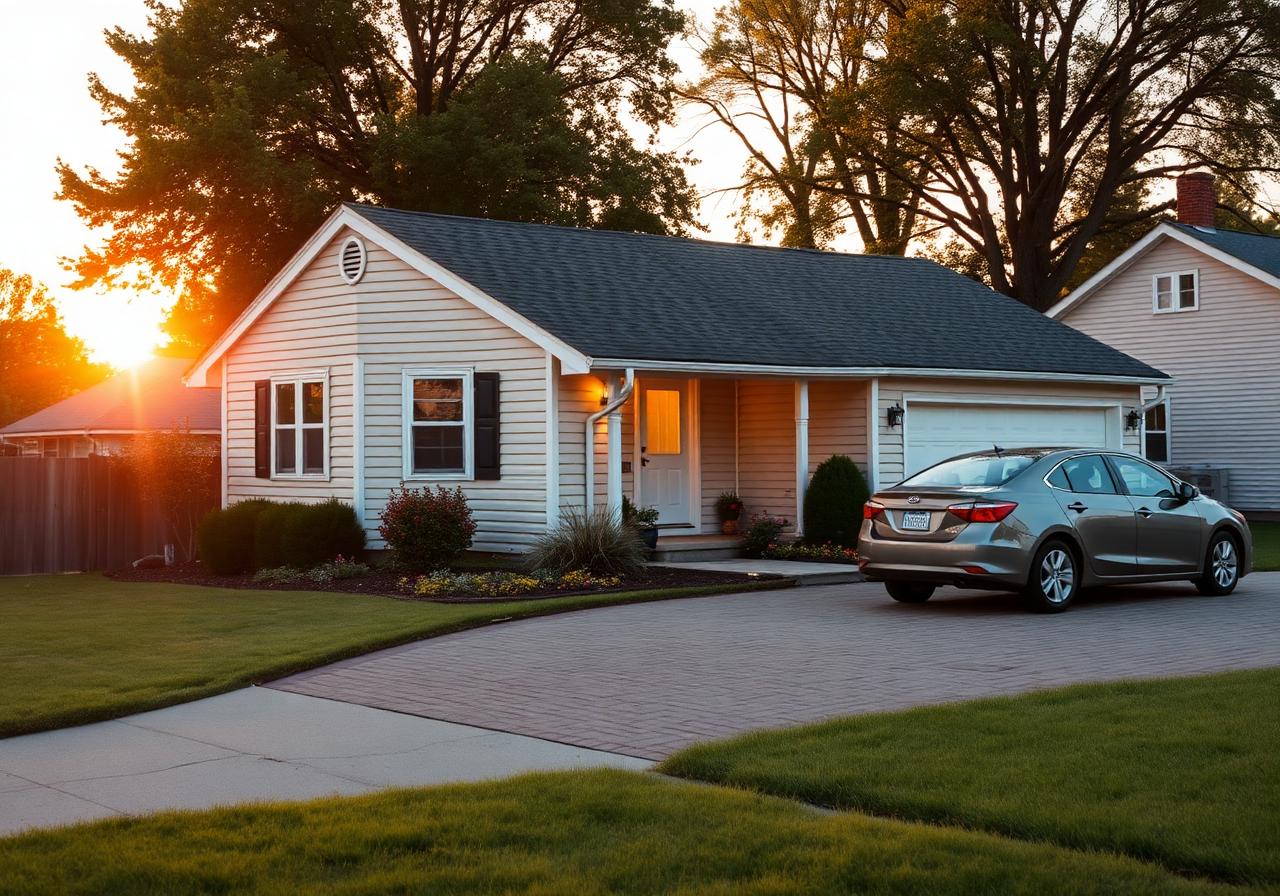
Significant equity in your primary residence is typically protected, with extra protection for older filers.
Understanding Bankruptcy
Bankruptcy is a federal law designed to give honest people a second chance. This page walks through what it actually does, what it protects, and what to expect — without the jargon.
The basics
Bankruptcy is a legal process under federal law that helps individuals and families who can no longer keep up with their debts. It is heard in U.S. Bankruptcy Court — a specialized federal court — and it offers two clear goals:
The framers of the U.S. Constitution thought it was important enough to put a bankruptcy clause directly into Article I. It has always been part of the American promise of a second chance.

Chapter 7 is the most common form of personal bankruptcy. For most filers, it wipes out unsecured debts — credit cards, medical bills, personal loans, old utility bills, most lawsuits — usually within about four months from filing to discharge.
Best for
People with limited income and mostly unsecured debt who want a clean slate.
Timeline
Roughly 90–120 days from filing to discharge in most cases.
What it erases
Credit cards, medical bills, personal loans, most judgments, old utilities.
What it doesn't
Most student loans, recent taxes, child support, criminal fines.

Chapter 13 is a court-supervised repayment plan that runs three to five years. You keep your assets — including a home in foreclosure or a car about to be repossessed — and pay back what you can afford from your income. At the end of the plan, remaining eligible debts are discharged.
Best for
People with steady income who want to save a home, vehicle, or catch up on taxes.
Timeline
3 to 5 years of monthly plan payments, then discharge.
What it does
Stops foreclosure, lets you cure mortgage arrears, restructures car loans.
What you keep
Your home, your car, your retirement — and most other property.
Side by side
| Chapter 7 | Chapter 13 | |
|---|---|---|
| What it does | Erases qualifying debts | Restructures debts into a plan |
| Length | ≈ 4 months | 3 to 5 years |
| Income required | Below or near Michigan median | Steady, regular income |
| Stops foreclosure | Temporarily | Yes — and lets you catch up |
| Keep your home & car | Usually, if payments current | Yes, even if behind |
| Repays creditors | Rarely | Partially, based on what you can afford |

The automatic stay
The automatic stay is a federal court order that goes into effect the second your bankruptcy case is filed. It is one of the most powerful tools in all of consumer law.
What's protected
Michigan and federal law both provide generous exemptions — categories of property that are protected from creditors. For the vast majority of Michigan filers, nothing is taken.
Significant equity in your primary residence is typically protected, with extra protection for older filers.
401(k), IRA, pensions, and most retirement accounts are fully protected — even from a Chapter 7 trustee.
Equity in one car per filer is protected up to a meaningful limit set by Michigan law.
Furniture, appliances, clothing, and personal items used in your daily life.
Equipment, tools, and items you use to earn your living are protected up to a statutory limit.
Social Security, unemployment, disability, veterans' benefits, and child support are protected.
Exemption amounts change periodically. Robert will review your specific assets against the current Michigan and federal exemption schedules at your free consultation.
The process
We talk through your situation, your debts, your income, and your goals. There's no pressure to file — sometimes the right answer is not to.
Pay stubs, tax returns, bills, and a list of property. The intake documents on this site walk you through exactly what's needed.
A short, federally required online course completed before your case is filed. Most clients finish it in under an hour.
Robert prepares and files the petition with the U.S. Bankruptcy Court. The automatic stay takes effect immediately.
A short, informal meeting with the trustee — about 5–10 minutes. Robert is with you the entire time.
For Chapter 7, your discharge order arrives roughly 60 days after the 341 meeting. For Chapter 13, after you complete your plan.
Common myths
Myth
"I'll lose everything I own."
Reality
Almost no one does. Michigan's exemption laws are designed to protect homes, cars, retirement, and household belongings.
Myth
"My credit will be ruined for ten years."
Reality
Most clients qualify for new credit cards and even car loans within a year, and many buy a home within 2–4 years of discharge.
Myth
"Everyone will know I filed."
Reality
Bankruptcies are public record but rarely come up unless someone goes searching. It will not appear in your local newspaper.
Myth
"Bankruptcy means I failed."
Reality
Most filings happen because of medical bills, job loss, divorce, or business failure — circumstances no one fully controls.
Myth
"My employer will fire me."
Reality
Federal law specifically prohibits employers from firing or discriminating against you because you filed.
Myth
"I make too much money to file."
Reality
There is a means test, but it's much more flexible than people think. Many higher-income filers qualify for Chapter 7 or 13.

The discharge order is a federal injunction that permanently bars your creditors from ever collecting on those debts again. The weight comes off, and you get your evenings back.
Frequently asked
Talk to Robert directly
No forms, no gatekeepers. Just a clear, calm conversation about where you stand and what your options look like.